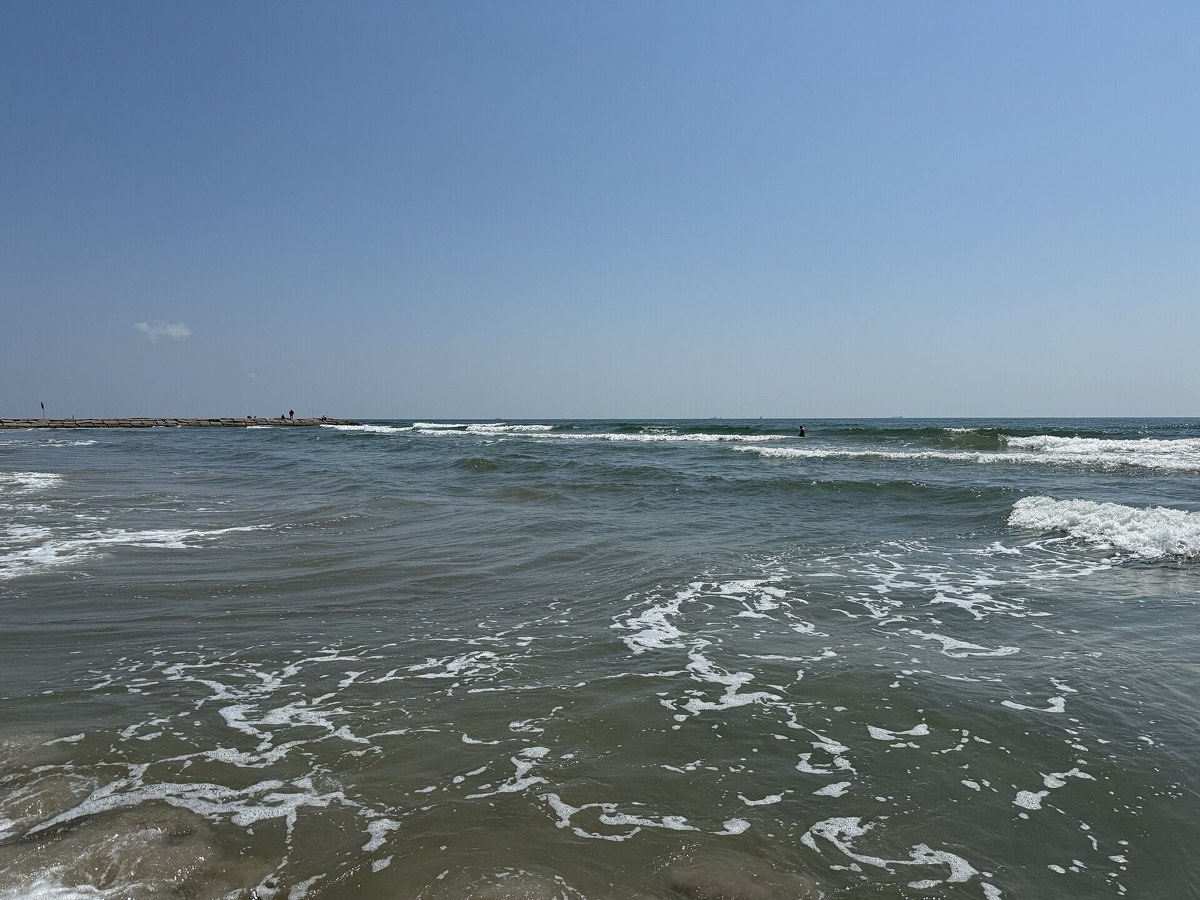
The beach doesn’t close when the sun goes down — it changes shifts. After dusk the sand belongs to ghost crabs: pale, fast, bug-eyed little sprinters that pop out of burrows by the hundreds. Hunting them with a flashlight is a Gulf Coast childhood rite, it’s free, and your kids will talk about it longer than anything you paid for.
The plan
- Timing: start 30–45 minutes after the sunset time shown above. Full dark is when the crabs commit.
- Where: any quieter stretch of sand works. The beach pockets off the seawall past 45th Street, or Stewart Beach after the day crowd clears, are reliable. Fewer footsteps = more crabs.
- Gear: one flashlight or headlamp per kid (phone lights work), sandals you don’t mind wet. A red-light mode spooks them less, if your flashlight has it.
- The technique: walk slow near the dry-sand burrow line, sweep the light ahead of you, and freeze when you catch one in the beam — they’ll freeze too, for about three seconds. Look, don’t grab: they pinch, and they’re doing a job (the beach’s night-shift cleanup crew).
- Cap the night with late food across the boulevard — The Spot’s upstairs bars run late, and Benno’s covers the fried-shrimp-at-nine crowd.
About the seawall raccoons — the honest version
You may have heard about the raccoon colony living in the seawall rocks. They’re real, they’re bold, and please don’t feed them. The city actively cracks down on it — fed raccoons lose their fear of people, mob beachgoers, carry real disease risk, and end up removed from the beach entirely for “re-wilding.” If you spot one on the rocks at dusk, that’s a genuine wildlife moment: watch from a distance, keep the snacks in the bag, and let them stay wild. The ghost crabs are the interactive show.
When to skip
Rainy or 25-mph-wind nights — the crabs bunker down and so should you. Check tonight’s patio verdict on the dashboard; if it says “Indoors,” the crabs agree.